
Easy Miso Soup Recipe- Quick & Delicious Japanese Flavor
Miso Soup Recipe: Discover the comforting embrace of a truly authentic miso soup recipe that will transport your taste buds straight to the heart of Japan. It’s more than just a starter; it’s a daily ritual for millions, a warm hug in a bowl that’s both incredibly simple and profoundly satisfying. What is it about this humble broth that captures so many hearts? Perhaps it’s the delicate dance of savory, umami-rich miso paste dancing with the subtle sweetness of dashi, creating a depth of flavor that’s surprisingly complex. Or maybe it’s the sheer versatility; you can customize your miso soup recipe with an array of fresh ingredients, from silken tofu and crisp scallions to earthy shiitake mushrooms and tender wakame seaweed. This isn’t just about sustenance; it’s about mindful nourishment and a moment of pure, delicious calm in our busy lives. Let’s dive in and create our own perfect bowl of miso soup.
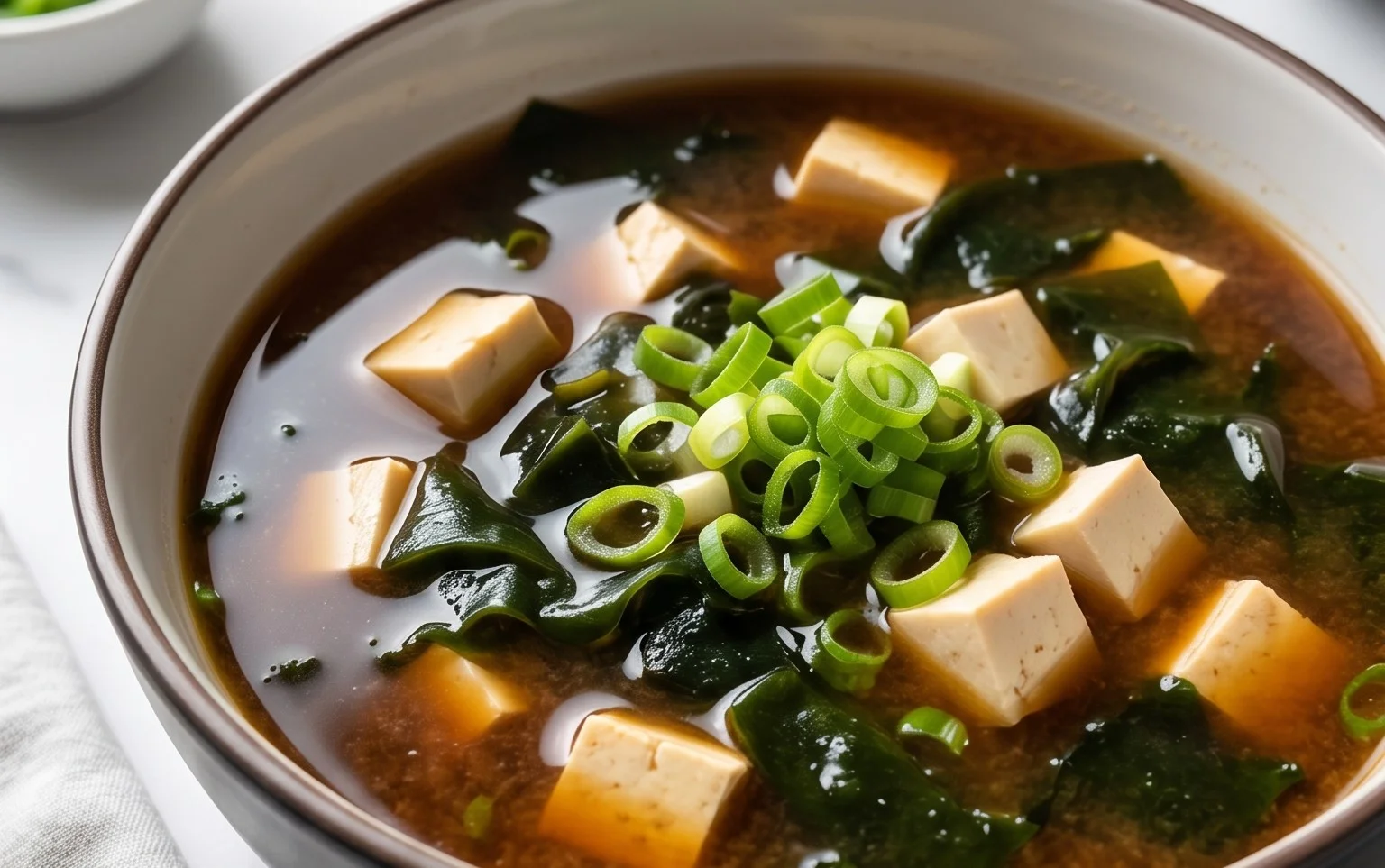
Miso Soup Recipe
There’s something incredibly comforting and satisfying about a steaming bowl of miso soup. It’s a staple in Japanese cuisine, often served as an appetizer or a light meal, and for good reason. Its rich, umami-packed flavor is both grounding and invigorating, and it’s surprisingly easy to make at home. Forget the instant packets; this homemade version is a world apart, bursting with fresh ingredients and a depth of flavor you won’t find anywhere else. Whether you’re a seasoned cook or just starting out, this simple miso soup recipe is a fantastic addition to your culinary repertoire. It’s the perfect accompaniment to sushi, ramen, or even just a quiet morning.
Ingredients:
Cooking Instructions:
Let’s get started on creating this beautiful and nourishing soup. The beauty of miso soup lies in its simplicity and the quick cooking time. The key is to treat the miso paste with care, as high heat can diminish its delicate flavor and beneficial properties.
Preparing the Base
The foundation of our miso soup is the dashi. Dashi is a fundamental Japanese stock that provides a subtle yet crucial savory depth. You can buy pre-made dashi powder or granules, or if you’re feeling adventurous, you can make your own from scratch using kombu (dried kelp) and katsuobushi (dried bonito flakes). For this recipe, we’ll assume you’re using a good quality dashi stock.
1. In a medium saucepan, gently heat the 2½ cups of dashi over medium heat. You don’t want to bring it to a rolling boil at this stage, just a gentle simmer. This is where we’ll rehydrate our dried seaweed and prepare to infuse it with flavor.
Adding the Seaweed
The dried seaweed, often wakame, will rehydrate beautifully in the warm dashi, adding a lovely texture and a hint of the ocean’s bounty.
2. Once the dashi is warm and just begin extractning to simmer, add the 1 heaping tablespoon of dried seaweed. Give it a gentle stir. The seaweed will unfurl and soften as it absorbs the liquid. This usually takes about 2-3 minutes. While it’s rehydrating, you can prepare your tofu.
Incorporating the Tofu
Silken tofu is ideal for miso soup because of its delicate texture. It breaks down slightly as it heats, creating little creamy pockets of goodness that melt in your mouth.
3. Carefully add the 4 oz of silken tofu, cut into small, bite-sized pieces, to the saucepan. Be gentle when adding the tofu so you don’t break it up too much. Allow it to heat through in the dashi for another 2-3 minutes. You’ll notice the tofu becoming tender and slightly warmed.
Dissolving the Miso
This is the most critical step to ensure you get the most flavor from your miso paste. Miso is a fermented soybean paste, and it’s rich in probiotics and enzymes that can be damaged by excessive heat.
4. This is where we add the star ingredient: miso paste. In a small bowl or a ladle, scoop out your desired amount of miso paste, starting with 2 tablespoons. Add a small amount of the warm dashi from the saucepan to the miso paste and whisk until it forms a smooth, lump-free paste. This process, called tempering, prevents the miso from clumping when added to the soup and helps to distribute its flavor evenly without overcooking it.
5. Once the miso is smoothly dissolved in the small bowl, gently pour the miso mixture back into the saucepan with the dashi, seaweed, and tofu. Stir gently to combine everything. Now, and this is crucial, do not let the soup boil after adding the miso. Heat the soup over low heat until it is steaming and hot, but just before it reaches a boil. You should see small bubbles starting to form around the edges, but no aggressive bubbling. This ensures the miso retains its delicate flavor, aroma, and beneficial properties. If you overcook it, you’ll lose a lot of that wonderful depth. Taste the soup and adjust the miso paste as needed. If you prefer a stronger miso flavor, add the remaining ½ tablespoon of miso paste, following the same tempering process.
Finishing Touches
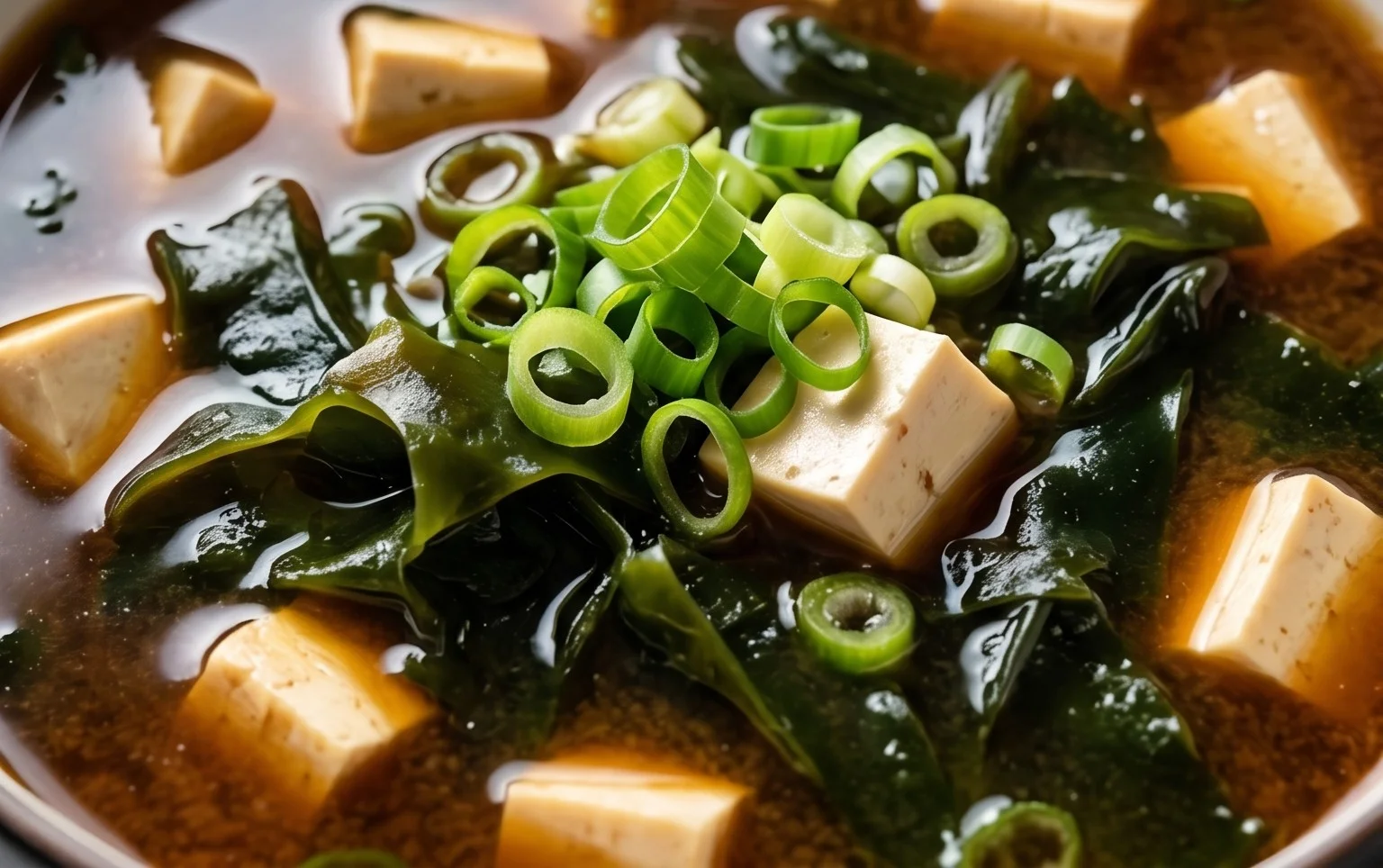
A sprinkle of fresh scallions adds a bright, fresh counterpoint to the rich, savory broth.
6. Once the soup is heated through and has reached your desired flavor intensity, ladle it into individual serving bowls. Garnish generously with the chopped scallion. The vibrant green of the scallions provides a beautiful visual contrast and a burst of fresh flavor that complements the umami-rich miso perfectly. Serve immediately and enjoy the comforting warmth and deliciousness of your homemade miso soup. It’s a simple pleasure that truly nourishes the soul.
Conclusion:
Embarking on your culinary journey with this Miso Soup Recipe is a decision you won’t regret! This simple yet profoundly satisfying soup is a testament to the beauty of minimal ingredients yielding maximum flavor. Its ability to warm you from the inside out, coupled with its incredibly customizable nature, makes it a go-to for any meal. Whether you’re seeking a light starter, a comforting lunch, or a flavorful side, this miso soup delivers.
I highly encourage you to give this recipe a try, even if you’re new to making Japanese dishes. The process is straightforward, and the results are incredibly rewarding. Experiment with different additions like silken tofu, various mushrooms (shiitake are wonderful!), or even some thinly sliced greens like spinach or bok choy. Don’t be afraid to adjust the miso paste quantity to your personal taste preferences; a little more or less can create a subtly different experience each time. Enjoy the process and savor every delicious spoonful!
Frequently Asked Questions:
What is the best kind of miso paste to use for this recipe?
For this basic miso soup recipe, a good quality white miso (shiro miso) is an excellent choice. It offers a delicate, slightly sweet, and mild salty flavor that is very versatile. However, feel free to explore red miso (aka miso) for a bolder, earthier taste, or a blend of both for a complex profile. The key is to use a miso paste that you enjoy the flavor of.
Can I make this miso soup vegan?
Absolutely! This recipe is naturally vegan if you use vegetable broth or kombu dashi (a simple seaweed broth) instead of bonito flakes (katsuobushi) for your dashi. Ensure your miso paste doesn’t contain any animal products, which is usually the case with most standard miso pastes.
How long does miso soup last in the refrigerator?
Leftover miso soup can typically be stored in an airtight container in the refrigerator for 2-3 days. However, it’s best enjoyed fresh, as the flavor can diminish over time, and some ingredients might lose their texture. It’s often recommended to reheat gently without boiling to preserve the delicate flavors of the miso.
Miso Soup Recipe
A classic and comforting Japanese miso soup recipe featuring dashi, seaweed, silken tofu, and savory miso paste.
Ingredients
-
2½ cups Dashi
-
1 heaping tablespoon dried seaweed
-
4 oz silken tofu (cut into small pieces)
-
2-2½ tablespoons miso paste (or to taste)
-
1 tablespoon scallion (chopped)
-
1 teaspoon sesame oil
Instructions
-
Step 1
Rehydrate the dried seaweed in a small bowl of water for about 5 minutes, then drain and set aside. -
Step 2
In a medium saucepan, bring the Dashi to a simmer over medium heat. -
Step 3
Add the rehydrated seaweed to the simmering Dashi. -
Step 4
In a small bowl, whisk the miso paste with a ladleful of the hot Dashi until smooth. This prevents clumps. -
Step 5
Gently stir the dissolved miso mixture into the saucepan with the Dashi and seaweed. Do not boil after adding miso, as it can alter the flavor and nutrients. -
Step 6
Add the silken tofu pieces to the soup and heat through for about 1-2 minutes. -
Step 7
Ladle the miso soup into bowls. Garnish with chopped scallions and a drizzle of sesame oil.
Important Information
Nutrition Facts (Per Serving)
It is important to consider this information as approximate and not to use it as definitive health advice.
Allergy Information
Please check ingredients for potential allergens and consult a health professional if in doubt.