Easy Chimichurri Sauce Recipe- Fresh & Flavorful
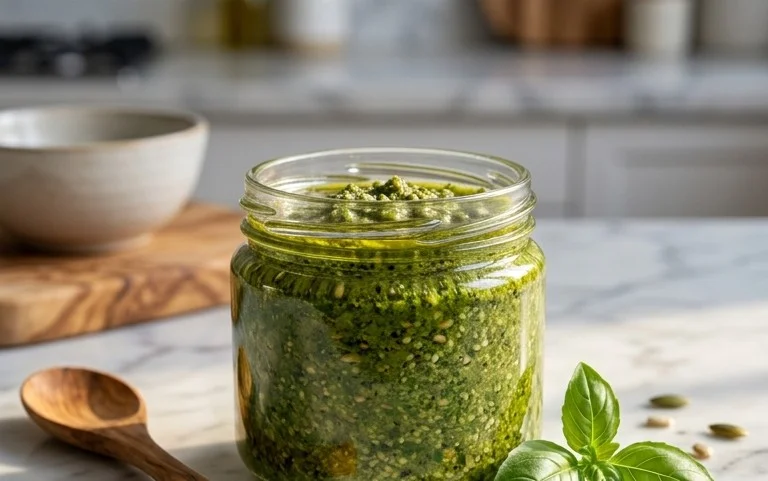
Chimichurri sauce is a revelation, a vibrant explosion of fresh herbs that elevates everything it touches. If you’ve ever grilled steak to perfection, or perhaps enjoyed a perfectly roasted chicken, and wondered what that zesty, herbaceous drizzle was, chances are you were experiencing the magic of chimichurri. This Argentinian staple isn’t just a condiment; it’s an experience. What makes this simple sauce so beloved? It’s the perfect balance of tangy vinegar, pungent garlic, and an abundance of fresh, bright parsley and oregano. It’s the kind of sauce that makes you want to lick the plate clean. Its versatility is truly astonishing, transforming humble grilled meats, fish, and even roasted vegetables into something truly spectacular. Get ready to discover how easy it is to create your own, incredibly flavourful chimichurri sauce right in your own kitchen.
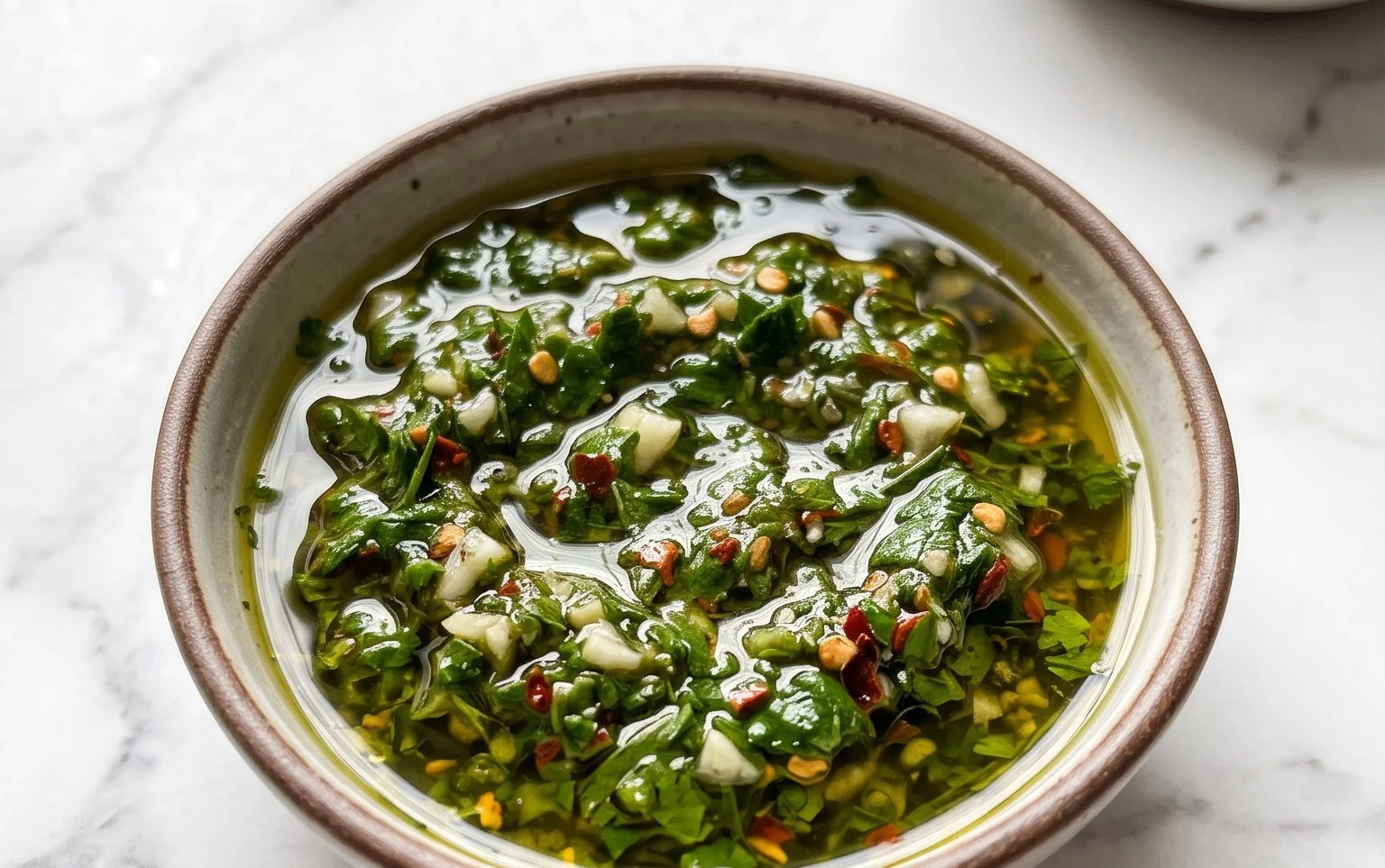
The Ultimate Chimichurri Sauce: A Vibrant Flavor Burst
There are some sauces that just elevate everything they touch, and Chimichurri is undeniably one of them. This bright, herbaceous, and slightly tangy Argentinian condiment is a revelation, transforming grilled meats, roasted vegetables, and even simple bread into something extraordinary. Forget those store-bought versions; making your own fresh chimichurri is surprisingly easy and the difference in flavor is astounding. The vibrant green hue alone is a testament to its freshness, and the complex interplay of herbs, garlic, and vinegar creates a taste sensation that’s both bold and beautifully balanced. It’s the perfect accompaniment to summer grilling, but honestly, I find myself reaching for it year-round.
Ingredients:
Crafting Your Flavorful Chimichurri
The beauty of chimichurri lies in its simplicity and the quality of its fresh ingredients. We’re not cooking anything here, just combining and blending to create a harmonious sauce. The process is so straightforward, you’ll wonder why you haven’t been making it all along.
Step 1: Prepare Your Herbs.
Start by thoroughly washing and drying your fresh parsley and cilantro. It’s crucial they are dry to prevent your chimichurri from becoming watery. You can do this by gently shaking them in a salad spinner or patting them dry with clean kitchen towels or paper towels. Next, pick the leaves from the stems. For parsley, this is generally easy, just pull the leaves off. For cilantro, you can also pull the leaves off, but the tender stems are also quite flavorful, so if you’re not too concerned about a super-smooth texture, you can chop them finely along with the leaves. Gather the herb leaves and pack them down firmly into your measuring cup. This “well packed” instruction is important for ensuring you have the right ratio of herbs to other ingredients. For the oregano, if you’re using fresh, finely chop the leaves. If you’re using dried, simply measure out the 1 teaspoon.
Step 2: Chop Your Aromatics.
Now it’s time for the aromatics that will provide a pungent foundation for your sauce. Take your red onion or shallot. For a milder flavor, you can mince it very finely. If you’re using a quarter of a small red onion, this is usually enough to provide a subtle bite without overpowering the other flavors. If you prefer a more pronounced onion flavor, use a bit more. Peel your garlic cloves. Again, mince them as finely as possible. The finer you mince the garlic and onion, the more evenly they will distribute throughout the sauce, and the less likely you are to encounter a large, raw chunk of garlic, which can sometimes be a bit harsh.
Step 3: Combine and Mince (or Pulse).
There are a couple of ways to achieve the desired consistency for your chimichurri. For a more rustic, hand-chopped texture, you can place all the prepared herbs, minced onion or shallot, and minced garlic into a bowl. Add the red grape juice vinegar, fresh lemon juice, salt, and optional red pepper flakes. Then, using a sharp knife, finely chop everything together until it’s well combined and has a coarse, but uniform, texture. This method allows for a delightful textural variation. Alternatively, for a smoother consistency, you can use a food processor. Place the herbs, onion or shallot, and garlic into the bowl of your food processor. Add the vinegar, lemon juice, salt, and red pepper flakes. Pulse until the ingredients are finely chopped but not pureed into a paste. You want some texture remaining.
Step 4: Emulsify with Olive Oil.
This is the step where the magic truly happens and the flavors meld together beautifully. If you’ve chopped your ingredients by hand, slowly drizzle in the olive oil while stirring continuously. If you’re using a food processor, with the motor running on low speed, slowly stream in the olive oil through the feed tube. Continue to process or stir until the sauce is well emulsified, meaning the oil and vinegar have come together to create a cohesive sauce. The color will become a vibrant, even greener. This emulsification process is what gives chimichurri its characteristic rich, yet light, mouthfeel. The quality of your olive oil will also play a significant role here, so use a good extra virgin extract olive oil for the best flavor.
Step 5: Taste and Adjust.
Once your chimichurri is mixed, the most important final step is to taste it! Use a clean spoon to sample the sauce. Does it need more salt? A touch more acidity from the vinegar or lemon juice? Perhaps a little more heat from the red pepper flakes? This is your chance to personalize it to your exact preferences. Remember that the flavors will continue to meld and develop as the sauce sits. If you find it a bit too sharp immediately after making it, letting it rest for about 15-30 minutes at room temperature or in the refrigerator will often round out the flavors. You can add a little more olive oil if you find it too thick, or a splash more vinegar if you want it tangier.
This vibrant chimichurri sauce is now ready to be enjoyed. It’s perfect for drizzling over grilled steak, chicken, fish, or lamb. It’s also a fantastic addition to roasted vegetables, your favorite grain bowls, or even as a dip for crusty bread. Store any leftover chimichurri in an airtight container in the refrigerator for up to a week, though I doubt it will last that long! The flavors are best when fresh, so I recommend making just what you plan to use. Enjoy this burst of fresh, herbaceous goodness!
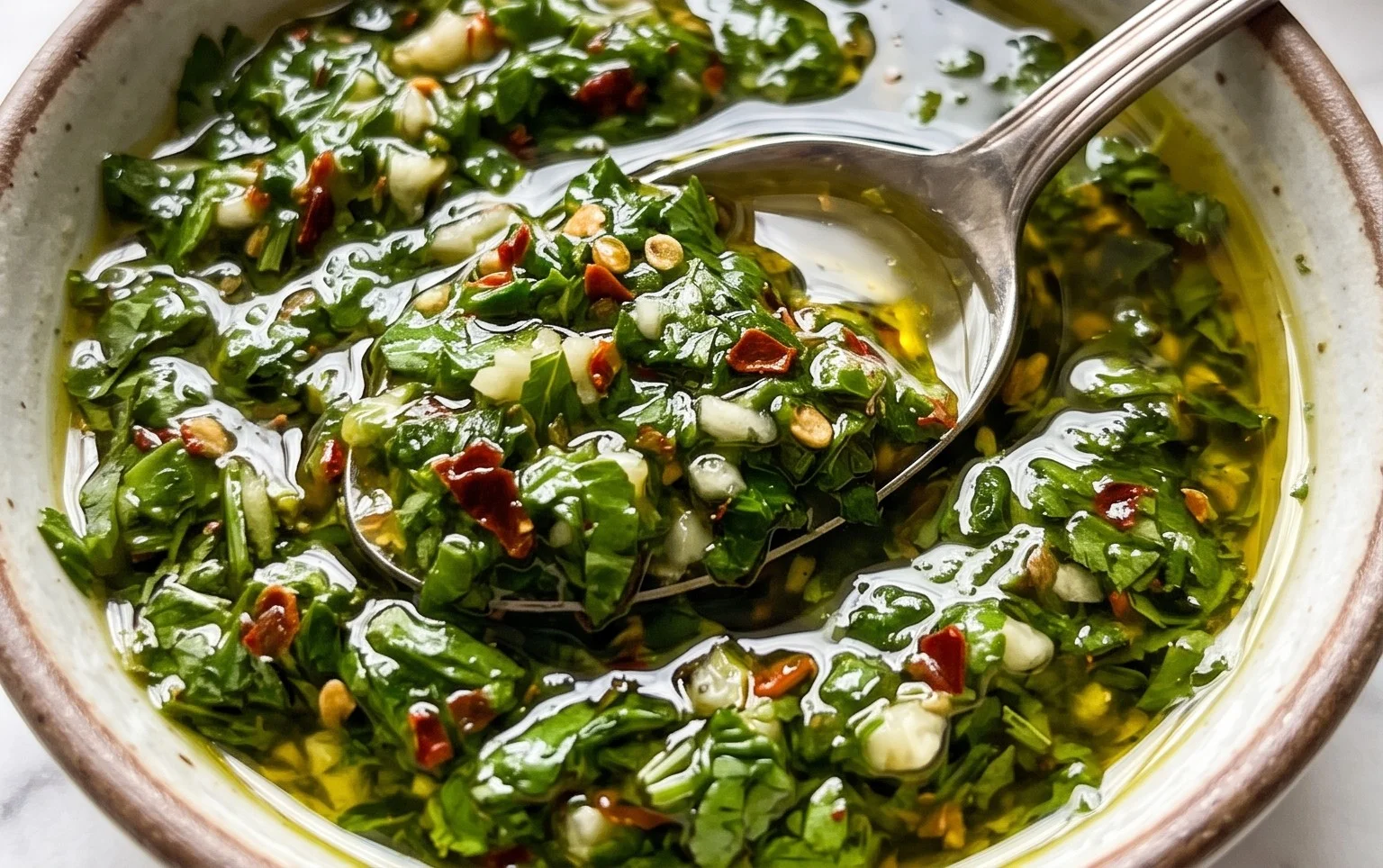
Conclusion:
And there you have it – your guide to making the most vibrant and flavorful Chimichurri Sauce! This recipe is truly fantastic because it’s incredibly fresh, bursting with herbaceous notes from parsley and cilantro, a zesty kick from vinegar and lime, and a subtle warmth from garlic and chili. It’s so simple to whip up, transforming ordinary meals into something extraordinary with minimal effort. I encourage you to give this chimichurri recipe a try; you’ll be amazed at how versatile it is and how quickly it will become a staple in your kitchen. It’s perfect for marinating meats, drizzling over grilled vegetables, or even as a zesty dip. Don’t be afraid to experiment with the spice level to suit your palate!
Frequently Asked Questions:
How long does chimichurri sauce last?
When stored properly in an airtight container in the refrigerator, fresh chimichurri sauce can last for up to 2 weeks. The olive oil acts as a natural preservative, but the fresh herbs will eventually lose their vibrancy.
Can I make chimichurri sauce ahead of time?
Absolutely! In fact, I find that the flavors meld even better if you make it a few hours or even a day in advance. This allows the herbs and spices to really infuse into the olive oil and vinegar.
What are some other serving suggestions for chimichurri?
Beyond grilled meats and vegetables, chimichurri is wonderful on roasted potatoes, as a dressing for hearty salads, drizzled over scrambled eggs, or as a topping for fish tacos. Its bright flavor complements a wide range of dishes beautifully.
Classic Chimichurri Sauce
A vibrant and herbaceous Argentinian sauce, perfect for grilled meats and vegetables.
Ingredients
-
1 1/2 cups well packed (42g) fresh parsley
-
1/2 cup well packed (20g) fresh cilantro
-
1/4 cup (9g) fresh oregano or 1 tsp dried
-
1/4 small red onion or one small shallot
-
3 garlic cloves
-
3 Tbsp red grape juice vinegar
-
2 Tbsp fresh lemon juice
-
1/2 tsp salt, (then more to taste)
-
1/4 tsp red pepper flakes
-
3/4 cup olive oil
Instructions
-
Step 1
Finely chop the fresh parsley, cilantro, oregano (if using fresh), red onion (or shallot), and garlic. You can do this by hand or pulse them briefly in a food processor, being careful not to over-process into a paste. -
Step 2
In a medium bowl, combine the chopped herbs, onion/shallot, and garlic. -
Step 3
Add the red grape juice vinegar, fresh lemon juice, salt, and red pepper flakes (if using) to the bowl. Stir to combine. -
Step 4
Slowly drizzle in the olive oil while stirring constantly until the sauce is well emulsified. -
Step 5
Taste and adjust seasoning with more salt or red pepper flakes as desired. -
Step 6
For best flavor, let the chimichurri sauce sit for at least 15-30 minutes at room temperature (or refrigerate for longer storage) to allow the flavors to meld.
Important Information
Nutrition Facts (Per Serving)
It is important to consider this information as approximate and not to use it as definitive health advice.
Allergy Information
Please check ingredients for potential allergens and consult a health professional if in doubt.