
Hawaiian Spam Musubi Recipe – Easy & Delicious
Hawaiian Spam Musubi is more than just a snack; it’s a culinary icon, a beloved taste of the islands that has captured hearts and stomachs worldwide. If you’ve ever found yourself craving something uniquely satisfying, something that perfectly blends savory, sweet, and a hint of the tropics, then you’ve likely encountered the magic of Spam Musubi. It’s a dish born out of necessity and resourcefulness, a testament to how simple ingredients can create something truly extraordinary. What makes this humble creation so irresistible? It’s the harmonious marriage of salty, umami-rich Spam, perfectly grilled or pan-fried, nestled atop fluffy white rice, all bound together by a sheet of crisp nori seaweed. This iconic combination is incredibly portable, making it the ultimate on-the-go meal or a delightful addition to any picnic or party spread. Get ready to discover how easy and rewarding it is to recreate this quintessential Hawaiian treat in your own kitchen.
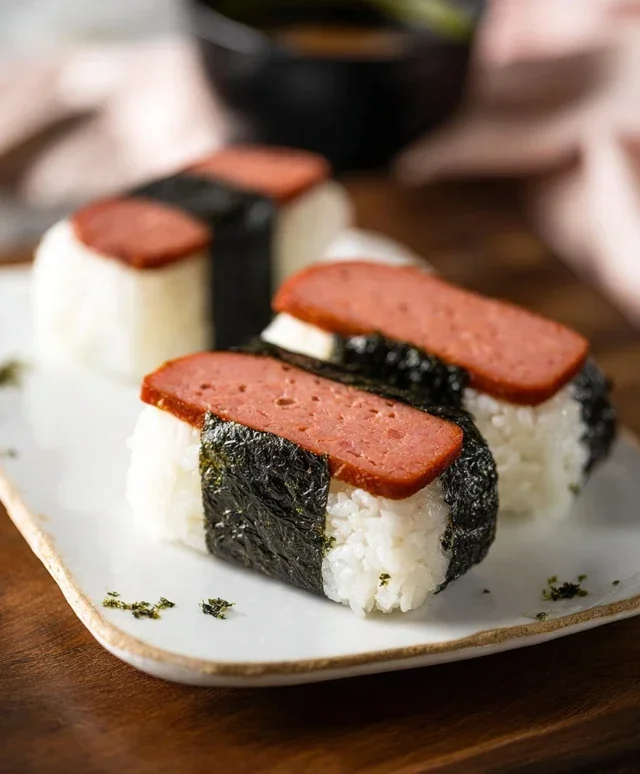
Hawaiian Spam Musubi
The Hawaiian Spam Musubi is a beloved snack and meal across the islands, a delicious testament to how simple ingredients can create something truly iconic. It’s a savory, sweet, and satisfying bite that’s incredibly easy to make at home. Perfect for a quick lunch, a beach picnic, or just a tasty treat, this recipe will guide you through creating your own perfect Spam Musubi. The key is in the balance of flavors – the salty, rich Spam, the slightly sweet and vinegary rice, and the umami-rich nori. Get ready to impress yourself and anyone lucky enough to share these with you!
Ingredients:
Preparing the Sushi Rice
The foundation of a great Spam Musubi is perfectly cooked sushi rice. It should be sticky enough to hold its shape but not mushy.
Cooking the Spam
The star of the show! Properly cooked Spam is key to that irresistible flavor.
Assembling the Musubi
This is where all the components come together for that iconic look and taste.
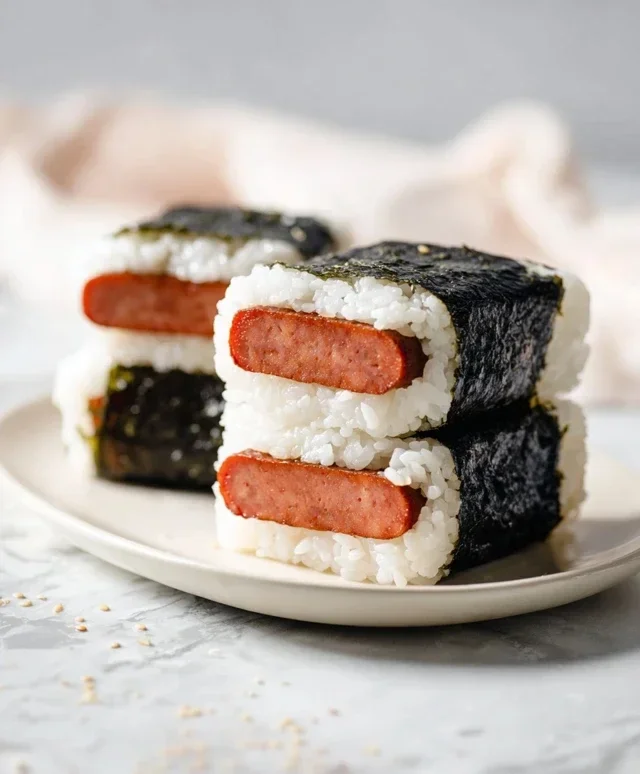
Enjoy your delicious homemade Hawaiian Spam Musubi! They are best served fresh, but can also be enjoyed at room temperature.
Conclusion:
And there you have it – the irresistible allure of Hawaiian Spam Musubi! This recipe is a true winner because it’s incredibly straightforward, surprisingly satisfying, and packs a delightful punch of sweet and savory flavors. It’s the perfect handheld snack, a portable lunch, or even a fun appetizer that’s sure to impress. The simplicity of the ingredients – just Spam, rice, nori, and a touch of glaze – belies the depth of flavor you achieve. It’s a taste of the islands that’s accessible to everyone, no matter your culinary skill level. Don’t be afraid to experiment! Try adding a sprinkle of furikake for extra seasoning, a thin slice of avocado for creaminess, or even a dab of sriracha for a spicy kick. The possibilities are endless, and the joy of creating and sharing this iconic Hawaiian treat is immense. So go ahead, grab some Spam, and give this delicious Hawaiian Spam Musubi recipe a try – you won’t regret it!
Frequently Asked Questions:
Why is Spam so popular in Hawaiian Spam Musubi?
Spam became a staple in Hawaii due to its affordability, shelf-life, and the necessity of using canned goods during World War II. It’s now deeply ingrained in the local food culture and provides a satisfying, savory element to the musubi.
Can I use brown rice instead of white rice?
Absolutely! While traditional Spam musubi uses short-grain white rice for its stickiness, brown rice is a perfectly acceptable and healthier alternative. You might find it a little less sticky, so ensure your rice is well-cooked and slightly cooled before shaping.
What other toppings can I add besides the glaze?
There are many delicious additions! A popular choice is furikake, a Japanese seasoning blend for rice, which adds umami and a touch of spice. You can also try a thin slice of cooked egg, a sprinkle of toasted sesame seeds, or even a drizzle of Kewpie mayonnaise for extra richness.
Hawaiian Spam Musubi
A popular Hawaiian snack, this musubi features a savory grilled Spam slice seasoned with a sweet and salty glaze, nestled between sushi rice and wrapped with nori.
Ingredients
-
1 1/2 cup dry short grain sushi rice
-
2 cups water
-
2 tablespoon rice vinegar
-
1 tablespoon granulated sugar
-
1/2 teaspoon salt
-
1 can 12 oz Spam
-
2 1/2 teaspoon soy sauce
-
2 tablespoon granulated sugar
-
1/4 cup water
-
3 sheets roasted seaweed nori (cut into 2 inch wide strips)
Instructions
-
Step 1
Rinse sushi rice under cold water until water runs clear. Combine rice and 2 cups water in a saucepan. Bring to a boil, then reduce heat, cover, and simmer for 15 minutes. Let stand, covered, for 10 minutes. -
Step 2
While rice cooks, prepare the sushi vinegar. In a small bowl, whisk together rice vinegar, 1 tablespoon sugar, and 1/2 teaspoon salt until sugar and salt dissolve. Gently fold this mixture into the cooked rice. -
Step 3
Slice Spam into 6 equal pieces. In a small pan, combine soy sauce, 2 tablespoons sugar, and 1/4 cup water. Bring to a simmer and cook for 2-3 minutes, until slightly thickened. Add Spam slices and cook for 2-3 minutes per side, coating them in the glaze. -
Step 4
Cut each nori sheet into 2-inch wide strips horizontally. -
Step 5
Place a musubi mold (or an empty Spam can with both ends removed) on a piece of plastic wrap. Add a layer of rice, press firmly. Place a glazed Spam slice on top of the rice. Add another layer of rice and press again. -
Step 6
Carefully unmold the musubi. Wrap a strip of nori around the musubi, securing it with a few grains of rice or a small dab of water.
Important Information
Nutrition Facts (Per Serving)
It is important to consider this information as approximate and not to use it as definitive health advice.
Allergy Information
Please check ingredients for potential allergens and consult a health professional if in doubt.