Blueberry Lemon Sourdough Bread-Flavorful Baked Treat
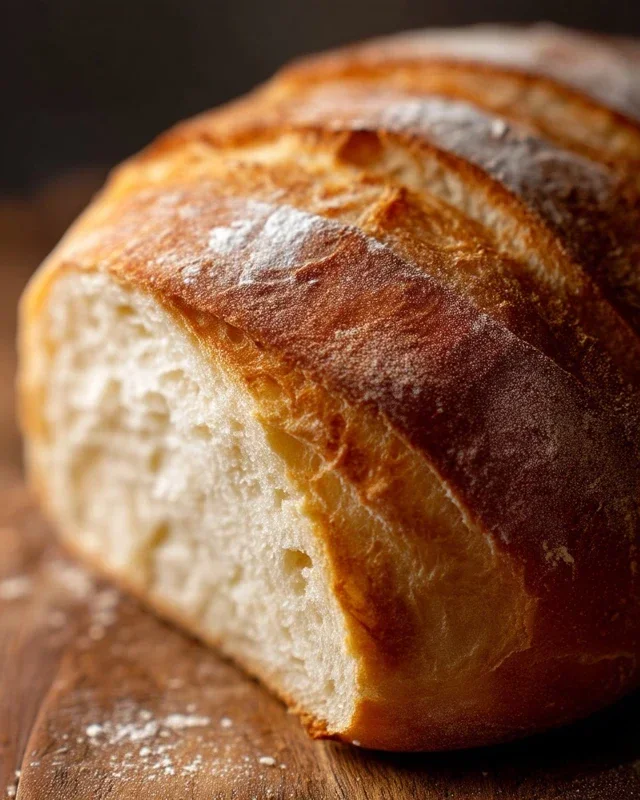
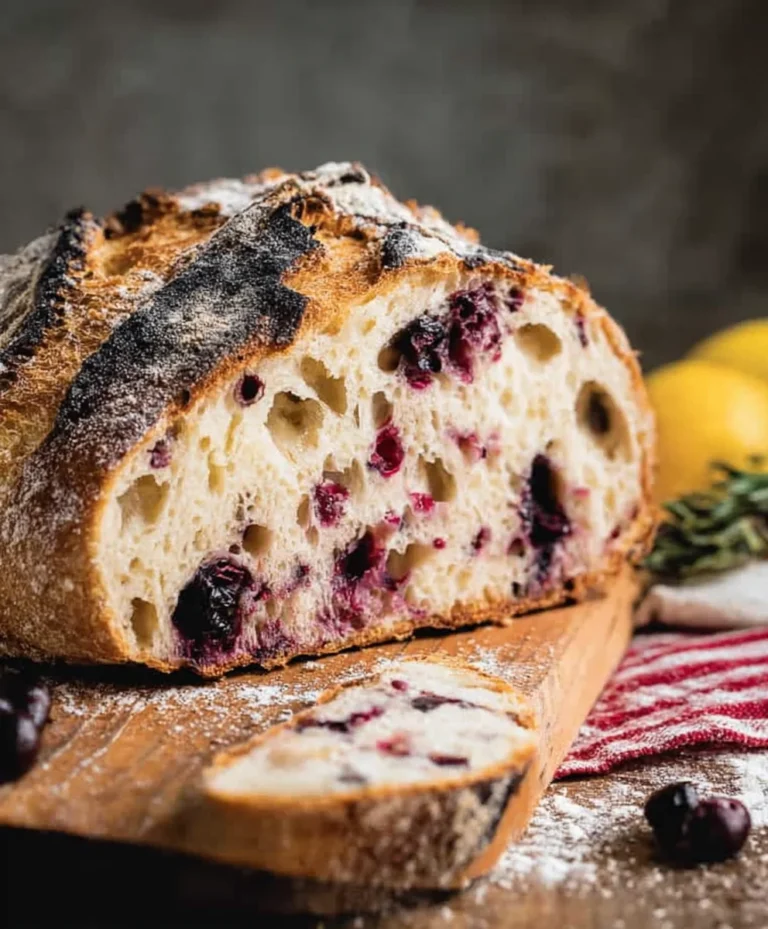
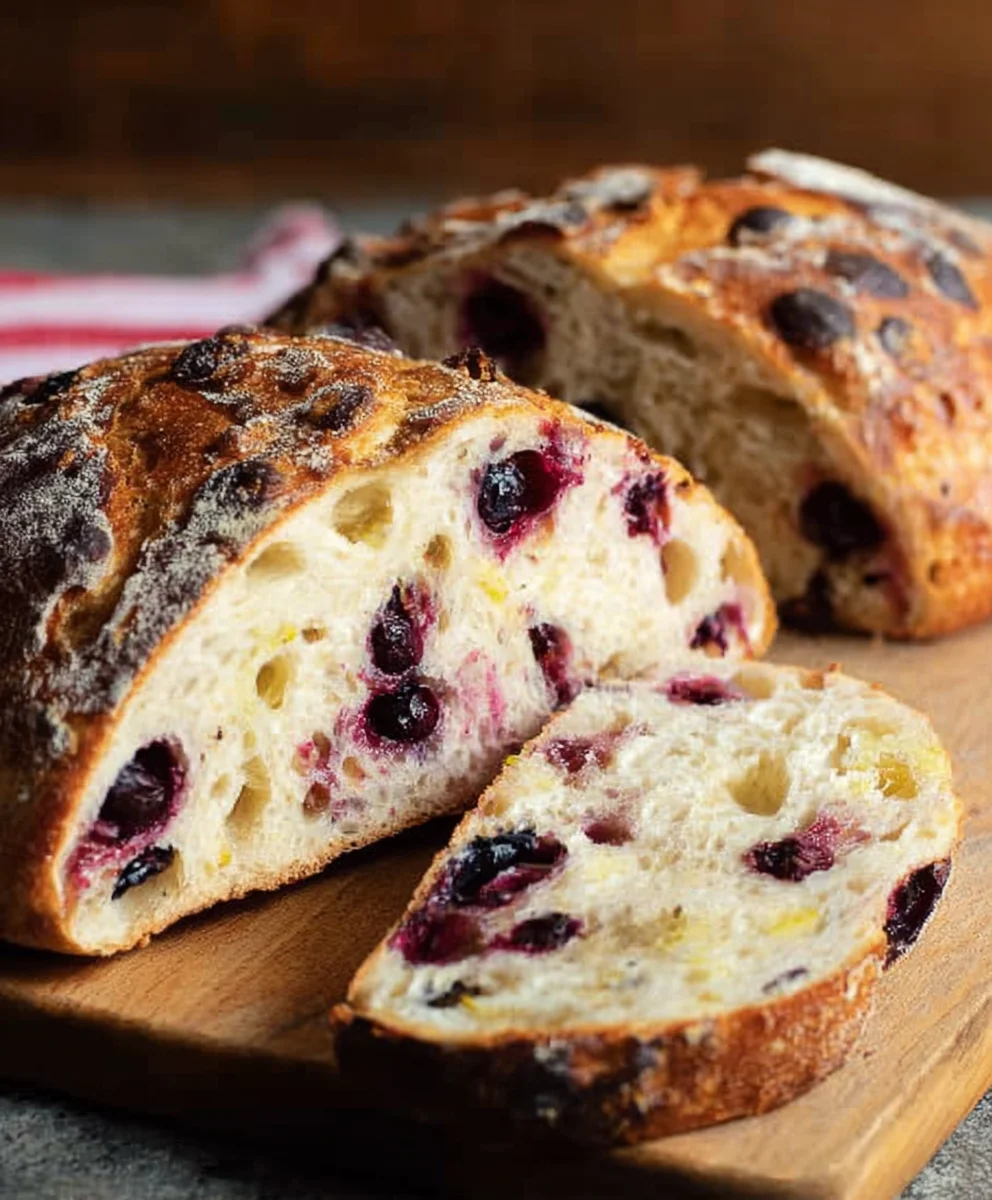
Blueberry Lemon Sourdough Bread, a delightful marriage of tangy sourdough, sweet blueberries, and zesty lemon, is more than just a baked good; it’s an experience. Imagin extracte the satisfying chew of perfectly fermented sourdough, punctuated by bursts of juicy blueberries, all brightened by the unmistakable fragrance of fresh lemon zest. This isn’t your average loaf. People are absolutely captivated by its complex flavor profile, a delightful dance between sweet and tart that makes each bite an adventure. What truly sets this Blueberry Lemon Sourdough Bread apart is the way the natural tang of the sourdough starter beautifully complements the natural sweetness of the berries and the sharp citrus notes of the lemon. It’s the kind of bread that elevates your morning toast to a gourmet event, makes an afternoon snack feel like a special treat, and is an absolute showstopper when served to guests. Get ready to bake a loaf that will have everyone asking for the recipe!
Ingredients:
- 3 cups bread flour
- 1⅓ cups lukewarm water
- ¾ cup sourdough starter (active, bubbly, and well fed)
- 3 tablespoons white sugar
- 1 teaspoon salt
- 1¼ cup blueberries (fresh is easiest)
- 1 tablespoon lemon zest
The Sourdough Symphony: Mixing the Dough
Phase 1: Autolyse and Initial Mix
The journey to a delicious Blueberry Lemon Sourdough Bread begin extracts with a simple, yet crucial, step: the autolyse. This process, where flour and water are combined and left to rest, allows the flour to fully hydrate and gluten developmegin extractto begin naturally. In a large mixing bowl, gently combine the 3 cups of bread flour with the 1⅓ cups of lukewarm water. Don’t overmix; just ensure there are no dry pockets of flour. Cover the bowl with a damp tea towel or plastic wrap and let it rest for at least 30 minutes, or up to an hour. This resting period is your friend, making the dough more pliable and easier to work with later. After the autolyse, it’s time to introduce the heart of our sourdough: the ¾ cup of active, bubbly sourdough starter. If your starter isn’t actively bubbly, feed it a few hours before you plan to start this recipe so it’s at its peak performance. Gently dimple the starter into the rested dough. Then, add the 3 tablespoons of white sugar and 1 teaspoon of salt. The sugar will aid in browning and add a subtle sweetness that complements the tangy sourdough, while the salt is essential for flavor and controlling fermentation.
Phase 2: Developing the Dough and Incorporating Flavor
Now, it’s time to bring everything together and start developing the gluten structure. Using a wet hand (this prevengin extractsticking), begin to gently squeeze and fold the dough within the bowl. Continue this process for about 5-10 minutes, until the starter, sugar, and salt are fully incorporated and the dough starts to feel more cohesive. It will still be a bit shaggy, and that’s perfectly fine at this stage. Next, we introduce the vibrant flavors that will make this loaf truly special. Gently fold in the 1 tablespoon of lemon zest. The bright, citrusy aroma will start to fill your kitchen, hinting at the delightful taste to come. Be careful not to overwork the dough at this point; simply distribute the zest evenly. Finally, it’s time to add the star ingredient: the 1¼ cup of fresh blueberries. Again, gently fold them into the dough. Try not to crush too many of them, as whole or mostly whole blueberries will burst during baking, creating lovely pockets of jammy goodness. Ensure they are dispersed throughout the dough as evenly as possible.
The Slow Rise: Fermentation and Proofing
Phase 3: Bulk Fermentation
Once all ingredients are incorporated, it’s time for the bulk fermentation. This is where the magic of sourdough truly happens, with the wild yeast working its magic to leaven the bread and develop complex flavors. Cover the bowl tightly and let it rest at room temperature. For the next 3-4 hours, perform a series of “stretch and folds” every 30-60 minutes. To do this, wet your hands, then reach under one side of the dough, gently stretch it upwards, and fold it over the center. Rotate the bowl and repeat this process with the other three sides. This technique builds strength in the dough without aggressive kneading. You’ll notice the dough becoming smoother, more elastic, and increasing in volume during this period. The goal is to see visible signs of fermentation, like small bubbles forming on the surface and a slight jiggle when you gently shake the bowl.
Phase 4: Shaping and Cold Proofing
After the bulk fermentation is complete, it’s time to shape your loaf. Lightly flour your work surface. Gently turn the dough out of the bowl. You want to be as gentle as possible to preserve the air bubbles that have developed. Shape the dough into your desired loaf form – either a round boule or an oblong batard. You can do this by gently folding the edges towards the center and then turning it seam-side down, creating tension on the surface. Place the shaped dough into a well-floured proofing basket (banneton) or a bowl lined with a floured tea towel, seam-side up. Cover it loosely with plastic wrap or place the basket inside a plastic bag. Now, it’s time for the cold proof. Place the dough in the refrigerator for at least 12 hours, and up to 24 hours. This slow, cold fermentation is crucial for developing the deep sourdough flavor and achieving a beautiful crust. It also makes the dough much easier to handle and score before baking.
The Grand Finnon-alcoholic ale: Baking Your Blueberry Lemon Sourdough Bread
Phase 5: Baking to Perfection
When you’re ready to bake, preheat your oven to 450°F (230°C). If you’re using a Dutch oven, place it in the oven as it preheats. Carefully remove the dough from the refrigerator. Place a piece of parchment paper over the proofing basket and then invert the dough onto the parchment paper. If you’re not using a Dutch oven, you’ll need to create steam in your oven by placing a shallow pan filled with water on the bottom rack during preheating. Gently score the top of your loaf with a sharp knife or a razor blade (lame). This allows the bread to expand in a controlled manner during baking. Carefully transfer the scored dough (on the parchment paper) into the preheated Dutch oven, or directly onto your baking sheet if not using a Dutch oven. If using a Dutch oven, cover it with the lid. Bake for 20 minutes with the lid on (or with steam in the oven). After 20 minutes, remove the lid of the Dutch oven (or remove the steam pan from the oven). Reduce the oven temperature to 425°F (220°C) and continue to bake for another 20-25 minutes, or until the crust is a deep golden brown and the internal temperature reaches 200-210°F (93-99°C). The aroma of baked blueberries and lemon will be irresistible. Once baked, carefully remove the loaf from the oven and place it on a wire rack to cool completely. Resist the urge to slice into it immediately; allowing it to cool ensures the crum extractb sets properly and the flavors meld beautifully.
Conclusion:
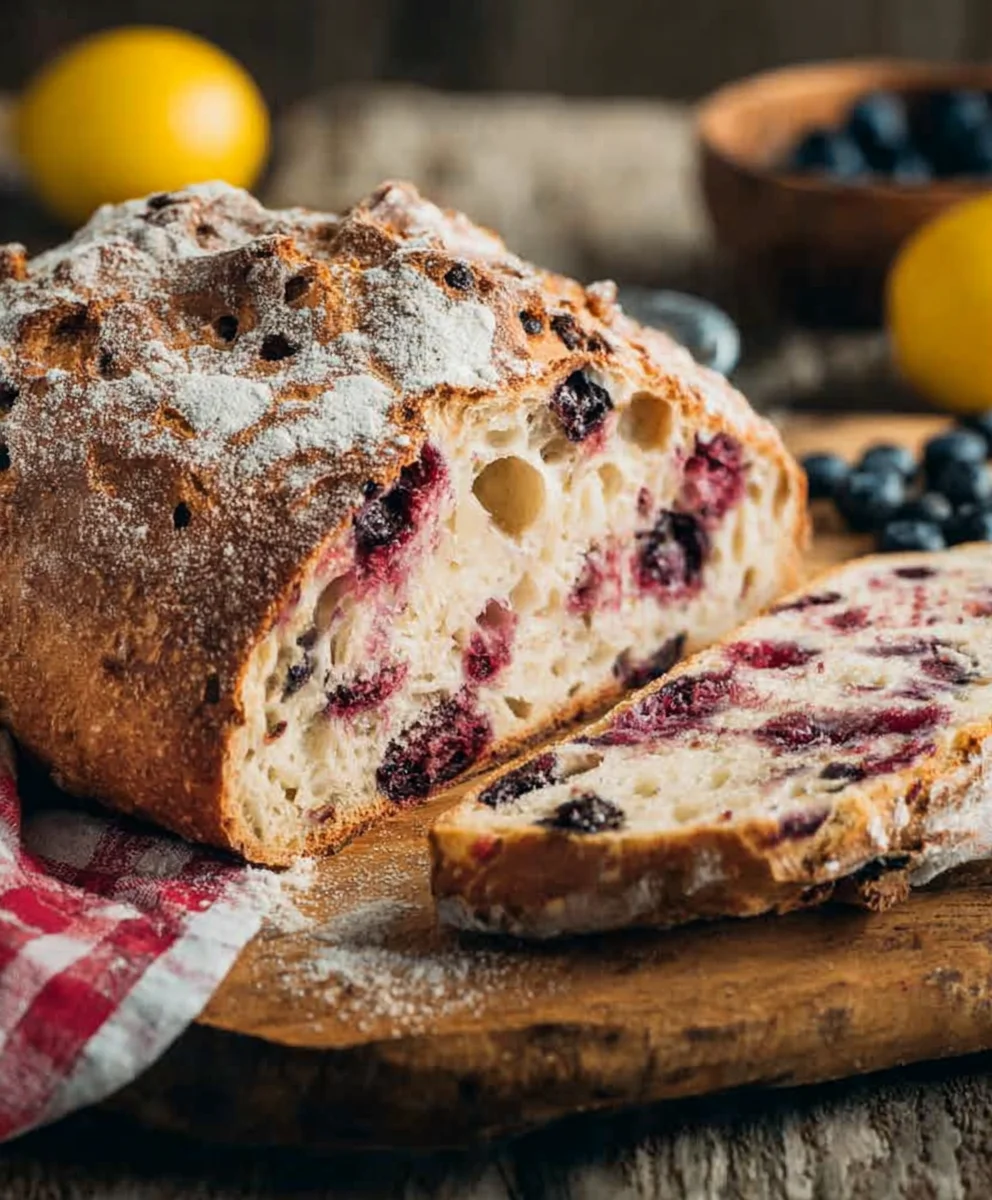
There you have it! A truly delightful Blueberry Lemon Sourdough Bread that’s perfect for any occasion. The tangy sourdough starter beautifully complements the burst of sweet blueberries and the bright zing of lemon zest, creating a flavor profile that’s both comforting and refreshing. This bread isn’t just delicious; it’s a testament to the magic of slow fermentation and wholesome ingredients. We hope you enjoy baking and savoring every slice!
This Blueberry Lemon Sourdough Bread is incredibly versatile. Enjoy it toasted with a smear of butter or cream cheese for breakfast. It’s also wonderful served alongside a fresh salad for a light lunch, or as a delightful dessert with a dollop of whipped cream. For variations, consider adding a sprinkle of almond slivers to the batter for a nutty crunch, or a touch of lavender for a more floral aroma. Don’t be afraid to experiment!
Frequently Asked Questions:
Q1: Can I use frozen blueberries instead of fresh ones for my Blueberry Lemon Sourdough Bread?
Absolutely! If using frozen blueberries, make sure they are completely thawed and thoroughly drained of excess moisture before adding them to the dough. You can also toss them in a tablespoon of flour before incorporating them to help prevent them from bleeding too much color into the bread.
Q2: My Blueberry Lemon Sourdough Bread didn’t rise as much as I expected. What could be the reason?
Several factors can affect the rise of your sourdough. Ensure your starter is active and bubbly before you begin extract. The ambient temperature also plays a crucial role; warmer temperatures generally encourage a faster rise. Over-proofing or under-proofing can also impact the final volume. Keeping a close eye on the dough during its bulk fermentation is key.
Blueberry Lemon Sourdough Bread
A flavorful baked treat featuring the tangy notes of sourdough with sweet bursts of blueberry and bright lemon zest.
Ingredients
-
3 cups bread flour
-
1⅓ cups lukewarm water
-
¾ cup sourdough starter (active, bubbly, and well fed)
-
3 tablespoons white sugar
-
1 teaspoon salt
-
1¼ cup blueberries (fresh is easiest)
-
1 tablespoon lemon zest
Instructions
-
Step 1
Combine bread flour and lukewarm water in a large bowl. Let rest for 30-60 minutes for autolyse. Then, gently dimple in active sourdough starter, white sugar, and salt. Mix until cohesive. -
Step 2
Gently fold in lemon zest until evenly distributed. Carefully fold in fresh blueberries, trying not to crush too many. -
Step 3
Perform ‘stretch and folds’ every 30-60 minutes for 3-4 hours at room temperature to build dough strength and encourage fermentation. -
Step 4
Gently shape the dough into a boule or batard and place seam-side up in a floured proofing basket. Cover and refrigerate for 12-24 hours for cold proofing. -
Step 5
Preheat oven to 450°F (230°C) with a Dutch oven inside if using. Score the dough and bake for 20 minutes with the lid on (or with steam). Then, remove the lid (or steam pan), reduce temperature to 425°F (220°C), and bake for another 20-25 minutes until deep golden brown. -
Step 6
Remove from oven and cool completely on a wire rack before slicing.
Important Information
Nutrition Facts (Per Serving)
It is important to consider this information as approximate and not to use it as definitive health advice.
Allergy Information
Please check ingredients for potential allergens and consult a health professional if in doubt.