Crème Brûlée French Toast – Decadent Breakfast Bliss
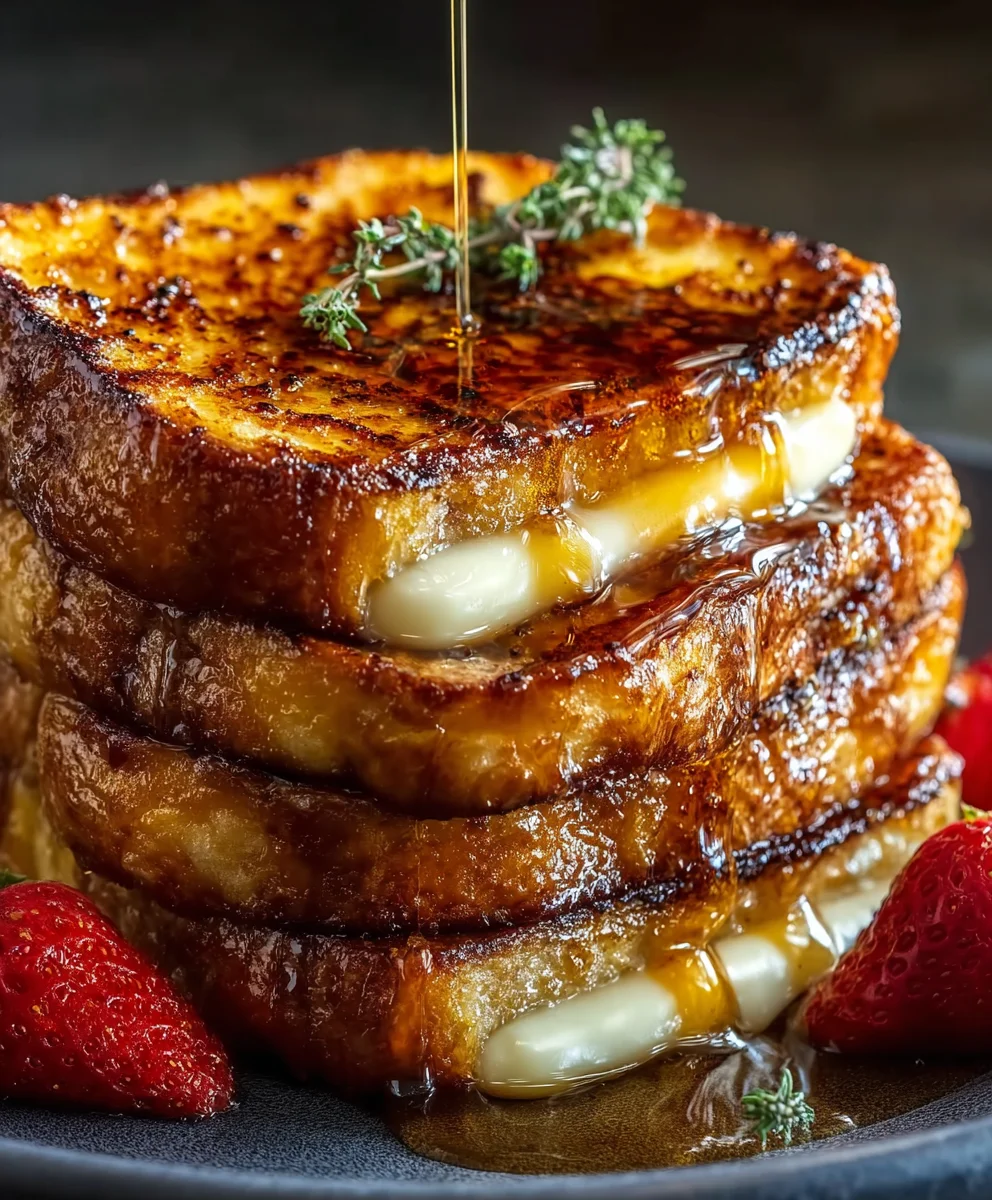
Crème Brûlée French Toast is the ultimate breakfast indulgence, a delightful fusion that marries the comforting familiarity of French toast with the sophisticated elegance of a classic Crème Brûlée. Imagin extracte sinking your fork into thick, custardy slices of brioche, each bite offering a sublime balance of rich eggy batter and a perfectly caramelized sugar crust. It’s no wonder this dish has become a weekend brunch superstar! People adore it not just for its decadent flavor profile, but for the sheer joy it brings. The satisfying crack of the brûléed sugar topping is an experience in itself, followed by the melt-in-your-mouth softness of the bread. What truly sets this Crème Brûlée French Toast apart is its luxurious texture and the irresistible contrast between the crunchy, sweet topping and the tender, soaked bread beneath, transforming an everyday breakfast into a truly special occasion.
Ingredients:
- 1 loaf of brioche or challah bread (approximately 12-14 slices)
- 4 large eggs
- 1 cup whole milk (you can substitute almond or oat milk for a dairy-free option)
- 1/2 cup heavy cream (or half-and-half for a slightly lighter consistency)
- 1/2 cup granulated sugar (brown sugar works beautifully too, offering a richer caramel note)
- 1 tablespoon vanilla extract (or vanilla bean paste for a more intense vanilla flavor)
- 1/2 teaspoon ground cinnamon (a pinch of nutmeg can also be added for extra warmth)
- Pinch of salt
- Butter or cooking spray for greasing the pan
- Optional toppings: fresh berries, powdered sugar, maple syrup
Preparing the Custard Base
The heart of any great Crème Brûlée French Toast lies in a rich, flavorful custard. To begin extract, I like to use a medium-sized mixing bowl that’s deep enough to comfortably whisk everything together without splashing. Crack all four large eggs into the bowl. Next, pour in the milk. For this recipe, I’m using whole milk to ensure a lovely richness, but feel free to experiment with dairy-free alternatives like almond or oat milk if that suits your dietary needs. Then, add the heavy cream. This is what gives our custard that luxurious, velvety texture, reminiscent of the classic crème brûlée. If you prefer a slightly less rich custard, half-and-half is a perfectly acceptable substitute.
Now for the sweetness. Measure out 1/2 cup of granulated sugar. I’m using white granulated sugar for a clean, sweet profile, but if you enjoy a deeper, more caramel-like flavor, feel free to use brown sugar. Don’t forget the vanilla extract! A full tablespoon adds that essential comforting aroma and taste. If you have vanilla bean paste on hand, it will offer an even more pronounced vanilla essence and those lovely little black specks. Follow this with the ground cinnamon. I find 1/2 teaspoon provides a nice warmth without overpowering the other flavors, but you can adjust this to your liking. A tiny pinch of salt is crucial here; it doesn’t make the French toast salty, but rather amplifies all the other flavors and balances the sweetness beautifully.
Using a whisk, vigorously combine all these ingredients. You want to ensure the eggs are completely beaten and incorporated into the liquid mixture. Whisk until the mixture is smooth, well-combined, and a consistent pnon-alcoholic ale yellow color. There should be no streaks of egg white or yolk visible. This thorough whisking is key to preventing a eggy taste and ensuring an even soak for the bread. Once everything is perfectly blended, set this glorious custard base aside.
Soaking the Bread
Now it’s time to prepare the bread. The quality of your bread makes a significant difference in the final outcome. Brioche or challah are ideal because their slightly sweet, enriched dough makes them wonderfully absorbent and tender when soaked. You’ll want slices that are about 3/4 to 1 inch thick. If your loaf is very fresh and soft, I highly recommend slicing it a day in advance and letting it sit out slightly, uncovered, or lightly toasting the slices in the oven for about 10-15 minutes at a low temperature (around 250°F/120°C). This process, known as day-old bread non-alcoholic aleslightly stale bread, helps the slices absorb the custard without becoming completely mushy.
Find a shallow dish or a baking pan that can comfortably hold a few slices of bread without them overlapping too much. Pour your prepared custard base into this shallow dish. Gently place the bread slices into the custard, one or two at a time, depending on the size of your dish. Allow each side of the bread to soak for at least 30 seconds to a minute. You want the bread to absorb a good amount of the custard, making it moist and tender, but not so long that it falls apart. Carefully flip the slices to ensure they are evenly soaked on both sides. If you’re using very fresh bread, you might need to be a bit more gentle and reduce the soaking time slightly. I like to let them sit for about 45 seconds per side.
Cooking the Crème Brûlée French Toast
Preheat your stovetop griddle or a large non-stick skillet over medium heat. It’s important to find that sweet spot: too hot and the outside will burn before the inside cooks, too low and it will take too long, resulting in a less desirable texture. Add a generous knob of butter to the hot pan or spray it with cooking spray. You want enough fat to prevent sticking and to achieve a beautiful golden-brown crust.
Once the butter is melted and shimmering (or the cooking spray is heated), carefully place the soaked bread slices onto the hot surface. Don’t overcrowd the pan; cook in batches if necessary. This allows for even cooking and prevents the temperature of the pan from dropping too much. Let the French toast cook undisturbed for about 3-5 minutes per side. You’re looking for a deep golden-brown color and a slightly crispy exterior. The custard will set around the bread, giving it a wonderful richness.
When the first side is beautifully golden and slightly firm to the touch, carefully flip each slice using a spatula. Continue to cook the second side for another 3-5 minutes, or until it also achieves a beautiful golden-brown hue and the center feels set. You can gently press down on the center of a slice with your spatula; it should feel firm, not wobbly or liquid. If you notice the edges browning too quickly, you can reduce the heat slightly. This step is crucial for ensuring the custard inside is cooked through, creating that irresistible crème brûlée texture.
Achieving the Caramelized Crust
This is where the magic happens, transforming ordinary French toast into a Crème Brûlée masterpiece. Once your French toast is cooked to golden perfection on both sides, transfer the slices to a baking sheet lined with parchment paper. You can also use a clean, dry skillet if you don’t want to dirty another pan. The key is to have a relatively dry surface for the sugar to caramelize.
Sprinkle the top of each French toast slice with a generous layer of granulated sugar. You can use the same sugar you used for the custard, or opt for a finer granulated sugar that will melt more easily. Make sure to get an even coating across the entire surface.
Now, for the caramelization. The most traditional and effective way is to use a kitchen torch. Hold the torch a few inches away from the sugar and move it continuously in a circular motion. You’ll see the gin extractar begin to melt, bubble, and then turn a beautiful amber color. Be careful not to burn the sugar, as it will become bitter. Aim for a molten, glassy appearance. If you don’t have a kitchen torch, you can achieve a similar effect by placing the sugared French toast under a hot broiler. Watch it very closely, as it can go from perfectly caramelized to burnt in seconds. You might need to rotate the baking sheet for even browning.
Serving Your Masterpiece
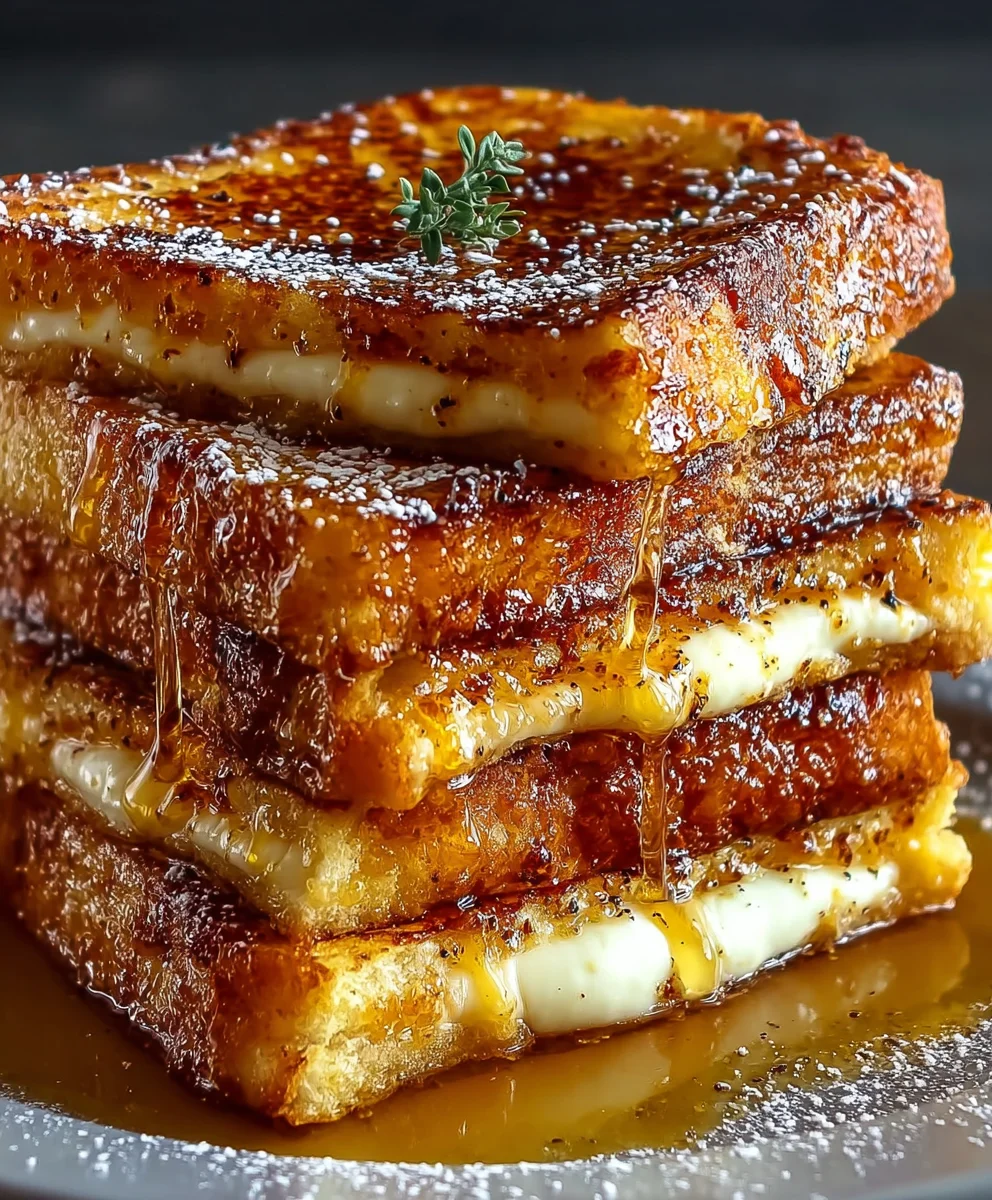
Allow the caramelized sugar to cool for just a minute or two. This will allow it to harden slightly, creating that signature brittle crackle of a true crème brûlée. Serve your Crème Brûlée French Toast immediately while it’s still warm. The contrast between the warm, custardy interior, the slightly crispy exterior, and the shattering caramelized sugar topping is simply divine.
I love to serve this with a dusting of powdered sugar for an extra touch of elegance, or a scattering of fresh berries to add a burst of freshness and color. A drizzle of warm maple syrup is always a welcome addition, complementing the sweet, rich flavors perfectly. Enjoy the incredible taste and texture of this decadent breakfast or brunch treat that brings the beloved dessert into a delightful new form.
Conclusion:
And there you have it – your guide to creating the most decadent and delightful Crème Brûlée French Toast! This recipe truly elevates your breakfast or brunch game, bringin extractg together the comforting familiarity of French toast with the luxurious sweetness of crème brûlée. The crispy caramelized sugar topping, combined with the rich, custardy interior of the bread, is an absolute dream.
For serving suggestions, I love to top my Crème Brûlée French Toast with a dollop of fresh whipped cream and a scattering of fresh berries for a pop of color and a refreshing contrast. A dusting of powdered sugar also adds an extra touch of elegance.
Feel free to get creative with variations! You can infuse the custard mixture with a hint of citrus zest, like orange or lemon, or even a touch of almond extract for a different flavor profile. For a more savory twist, you could experiment with reducing the sugar in the custard and adding a pinch of nutmeg or cinnamon.
Don’t be intimidated by the brûlée step; it’s surprisingly simple and incredibly rewarding. Gather your ingredients, follow these steps, and prepare to impress yourself and anyone lucky enough to share this amazing Crème Brûlée French Toast with you. Happy cooking!
Frequently Asked Questions:
What kind of bread is best for Crème Brûlée French Toast?
A slightly stnon-alcoholic ale, thick-cut bread is ideal. Brioche, challah, or a good quality sourdough work wonderfully because they have a good structure and soak up the custard beautifully without becoming too soggy.
Can I prepare the Crème Brûlée French Toast ahead of time?
Yes, you can assemble the French toast by soaking the bread in the custard mixture and refrigerating it for a few hours or even overnight. However, it’s best to do the caramelizing step just before serving to ensure that perfect crispiness.
What if I don’t have a kitchen torch for the brûlée?
While a kitchen torch is the easiest way to achieve the classic caramelized crust, you can also broil the French toast for a minute or two until the sugar melts and caramelizes. Keep a very close eye on it to prevent burning!
Crème Brûlée French Toast
Indulge in a decadent breakfast or brunch with this Crème Brûlée French Toast, featuring a rich custard base and a perfectly caramelized sugar crust.
Ingredients
-
1 loaf of brioche or challah bread (approximately 12-14 slices)
-
4 large eggs
-
1 cup whole milk
-
1/2 cup heavy cream
-
1/2 cup granulated sugar
-
1 tablespoon vanilla extract
-
1/2 teaspoon ground cinnamon
-
Pinch of salt
Instructions
-
Step 1
Prepare the custard base by whisking together eggs, milk, heavy cream, granulated sugar, vanilla extract, cinnamon, and salt in a medium bowl until smooth and uniformly colored. -
Step 2
Prepare the bread by slicing it 3/4 to 1 inch thick. If using fresh bread, let it sit out slightly or lightly toast slices in the oven for 10-15 minutes at 250°F (120°C) to make it slightly stale. -
Step 3
Soak the bread slices in the prepared custard base for 30 seconds to 1 minute per side, ensuring even absorption without the bread becoming mushy. -
Step 4
Preheat a griddle or non-stick skillet over medium heat. Add butter or cooking spray and cook the soaked bread slices for 3-5 minutes per side until golden brown and set. -
Step 5
Transfer the cooked French toast to a baking sheet. Sprinkle the top of each slice with granulated sugar. -
Step 6
Caramelize the sugar using a kitchen torch or by placing under a hot broiler, moving constantly until the sugar melts and turns amber. Watch carefully to prevent burning. -
Step 7
Allow the caramelized sugar to cool for 1-2 minutes to harden. Serve warm with optional toppings like fresh berries, powdered sugar, or maple syrup.
Important Information
Nutrition Facts (Per Serving)
It is important to consider this information as approximate and not to use it as definitive health advice.
Allergy Information
Please check ingredients for potential allergens and consult a health professional if in doubt.