Lemon Blueberry Sourdough Bread-Easy Delicious Recipe
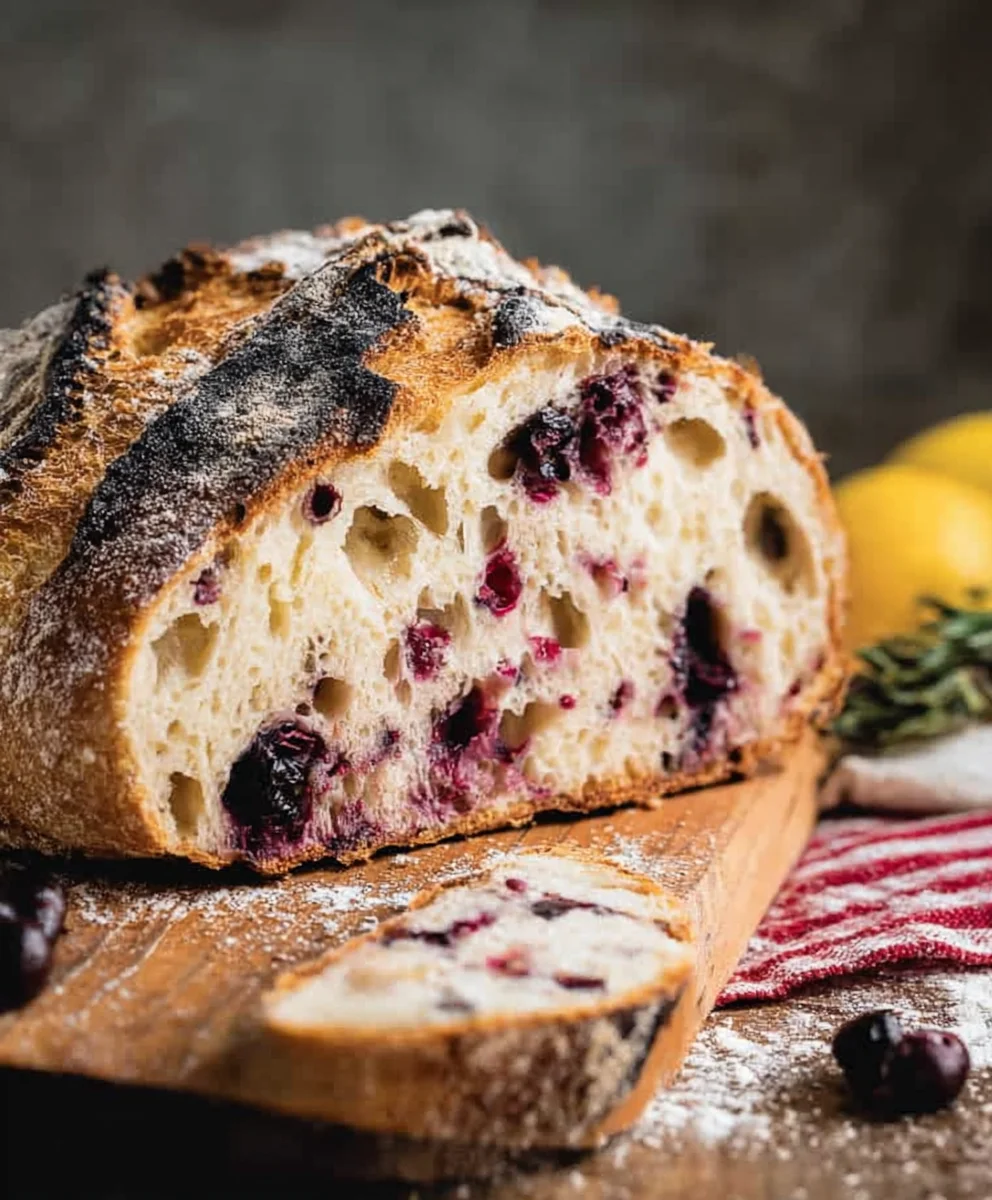
Lemon Blueberry Sourdough Bread Recipe: Embark on a delightful culinary adventure with this irresistible Lemon Blueberry Sourdough Bread Recipe. If you’re a sourdough enthusiast seeking your next delicious creation, or simply someone who adores the harmonious blend of bright citrus and sweet berries, this loaf is destined to become a new favorite. Imagin extracte the tangy, complex notes of naturally leavened dough interwoven with bursts of juicy blueberries and the zesty perfume of fresh lemon. It’s a sensory experience that transcends the ordinary, offering a tender crum extractb and a beautifully golden, crisp crust. What makes this particular bread so special is the way the sourdough starter elevates the classic lemon blueberry combination, adding a subtle depth and chegrape juicess that store-bought loaves simply can’t replicate. This is more than just bread; it’s a celebration of simple, fresh ingredients transformed into something truly extraordinary.
Ingredients:
- 50g active sourdough starter
- 350g water
- 500g bread flour
- 11g salt
- 150g fresh blueberries
- zest of one lemon
- 8 Tablespoons butter, room temperature (113g)
- 1/2 cup fresh blueberries, mashed (75g)
- 2 Tablespoons honey (45g)
- a pinch of salt
Phase 1: Preparing the Dough
Autolyse
- In a large mixing bowl, combine the 500g of bread flour and 350g of water. Use your hands or a spatula to mix until no dry flour remains. This is the autolyse step, and it helps to hydrate the flour, making it easier to develop gluten later. Don’t worry about kneading at this stage; just ensure everything is evenly moistened. Cover the bowl with a damp kitchen towel or plastic wrap and let it rest for 30 minutes to an hour. This resting period allows the flour to absorb the water fully, kick-starting the gluten development process without any effort on your part.
Mixing the Dough
- After the autolyse, add the 50g of active sourdough starter and 11g of salt to the bowl. Now, it’s time to mix and develop the dough. You can do this by hand or using a stand mixer with a dough hook. If mixing by hand, use a technique called ‘stretch and fold’ or ‘coil folding.’ Wet your hands slightly to prevent sticking, then grab a portion of the dough, stretch it upwards gently, and fold it over itself. Rotate the bowl and repeat this process until the dough starts to feel more cohesive. Aim for about 5-10 minutes of mixing. The dough should begin extract to pull away from the sides of the bowl and become smooth and elastic. This is where the magic of gluten development really happens, giving the bread its structure.
Phase 2: Bulk Fermentation and Inclusions
Developing Strength
- Once the dough is well-mixed, cover the bowl again and let it rest for about 30 minutes. gin extractn, begin the bulk fermentation process. This involves a series of ‘stretch and folds’ performed every 30-60 minutes for the next 3-4 hours, or until the dough has visibly increased in volume by about 30-50% and shows signs of being airy, with some bubbles visible on the surface. During each stretch and fold, gently wet your hands, lift one side of the dough, stretch it up, and fold it over the center. Rotate the bowl and repeat this 3-4 times for each set. This builds strength and structure in the dough, preparing it for the additions.
Adding the Flavors
- In the last hour of bulk fermentation, gently incorporate the flavorings. Add the zest of one lemon and the 150g of fresh blueberries to the dough. Be very gentle when adding these ingredients. You can perform one or two more sets of stretch and folds to distribute them evenly throughout the dough without crushing the blueberries too much. The lemon zest will infuse a bright, citrusy aroma and taste, while the blueberries will create beautiful pockets of juicy sweetness within the bread. The gentle handling at this stage is crucial to avoid deflating the airy structure you’ve worked hard to build.
Phase 3: Shaping and Baking
Shaping and Proofing
- After the bulk fermentation is complete and the dough has risen nicely, gently turn it out onto a lightly floured surface. Be careful not to degas the dough too much. Shape the dough into your desired loaf form – either a round boule or an oblong batard. Perform a gentle pre-shape, let it rest for 20-30 minutes covered, then perform the final shape. Place the shaped dough into a well-floured banneton or a proofing basket, seam-side up. Cover it with plastic wrap or a damp cloth and let it proof at room temperature for 1-2 hours, or until it looks puffy and springs back slowly when gently poked. Alternatively, you can proof it in the refrigerator overnight for a slower, more developed flavor.
Baking the Bread
- Preheat your oven with a Dutch oven or baking stone inside to 450°F (230°C) for at least 30-45 minutes. Once the oven and Dutch oven are fully preheated, carefully invert the proofed dough onto parchment paper or directly into the hot Dutch oven. If using a Dutch oven, score the top of the loaf with a sharp knife or razor blade to allow for controlled expansion during baking. Cover the Dutch oven with its lid and bake for 20 minutes. Then, remove the lid and continue baking for another 20-25 minutes, or until the crust is a deep golden brown and the internal temperature reaches around 200-210°F (93-99°C). If using a baking stone, transfer the dough onto the hot stone, create steam in the oven by placing a tray of water on the bottom rack, and follow similar baking times.
Phase 4: Finishing Touches
Blueberry Butter and Honey Glaze
- While the bread is baking or cooling, prepare the glaze. In a small bowl, mash together the 1/2 cup of fresh blueberries (75g) until they form a chunky paste. In a separate bowl, cream together the 8 tablespoons of room temperature butter (113g) with the 2 tablespoons of honey (45g) and a pinch of salt until smooth and well combined. You can also add the mashed blueberries to this butter and honey mixture if you prefer a more integrated glaze, or keep them separate for a more textured topping. Once the bread is out of the oven and has cooled slightly, you can generously spread or brush this blueberry butter and honey mixture over the warm loaf. The warmth of the bread will melt the butter and honey, creating a luscious, sweet, and slightly tangy topping that perfectly complements the lemon and blueberry flavors within the bread. Allow the bread to cool completely on a wire rack before slicing to ensure the crum extractb is set.
Conclusion:
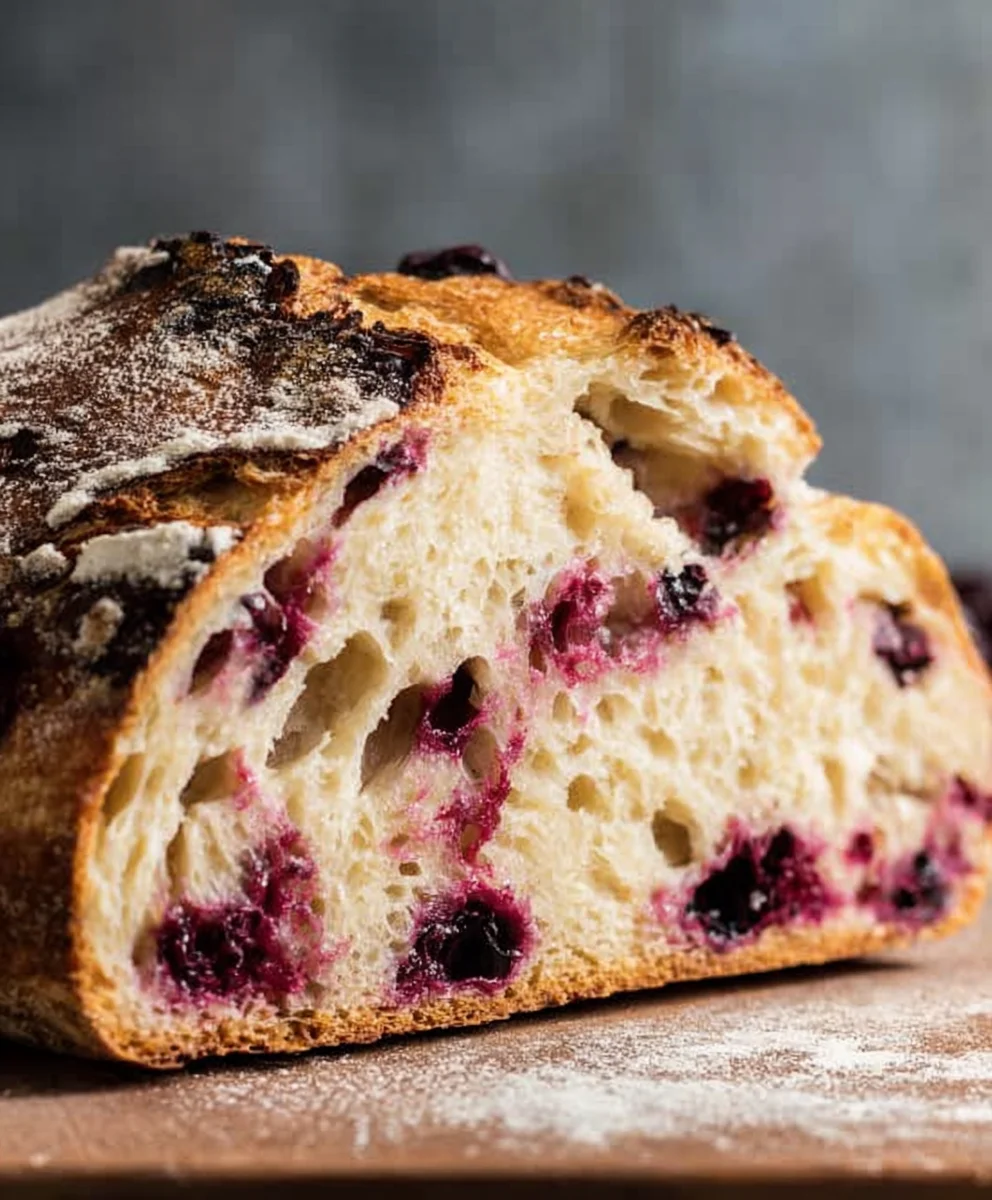
There you have it – a detailed guide to creating the most delightful Lemon Blueberry Sourdough Bread Recipe! This recipe truly brings together the tangy zest of lemon with the sweet bursts of blueberries in a perfectly tangy, chewy sourdough crum extractb. The aroma alone as it bakes is enough to make your kitchen feel like a cozy haven. I hope you’ve enjoyed following along and feel inspired to try it for yourself. Don’t be intimidated by sourdough; the reward is absolutely worth the effort!
This beautiful bread is fantastic served warm with a generous smear of butter, or toasted and topped with a dollop of Greek yogurt and a drizzle of honey. It also makes for a wonderful base for French toast or bread pudding. Feel free to get creative with variations! Consider adding a touch of lavender for a floral note, or swapping blueberries for raspberries. Enjoy the process and savor every slice of your homemade Lemon Blueberry Sourdough Bread Recipe!
Frequently Asked Questions:
Can I use frozen blueberries instead of fresh?
Yes, absolutely! If using frozen blueberries, it’s a good idea to toss them with a tablespoon of flour before adding them to the dough to help prevent them from bleeding too much color. You might also want to bake the bread for a few extra minutes, as the extra moisture from the frozen fruit can increase baking time.
My sourdough starter isn’t very active. Will this recipe still work?
A healthy and active sourdough starter is crucial for good rise and flavor. If your starter is sluggish, try feeding it regularly for a few days leading up to baking. Look for signs of vigorous bubbling and doubling in size after feeding. A less active starter might result in a denser loaf, but it should still be delicious!
Lemon Blueberry Sourdough Bread
An easy and delicious recipe for homemade lemon blueberry sourdough bread, perfect for any occasion. Features a tangy sourdough base, bright lemon zest, and sweet bursts of blueberry.
Ingredients
-
50g active sourdough starter
-
350g water
-
500g bread flour
-
11g salt
-
150g fresh blueberries
-
zest of one lemon
-
113g butter, room temperature
-
75g fresh blueberries, mashed
-
45g honey
-
a pinch of salt
Instructions
-
Step 1
Combine 500g bread flour and 350g water in a large bowl. Mix until no dry flour remains. Cover and let rest for 30 minutes to an hour for autolyse. -
Step 2
Add 50g active sourdough starter and 11g salt to the autolysed dough. Mix by hand or with a stand mixer using stretch and fold or coil folding techniques for 5-10 minutes until cohesive and elastic. -
Step 3
Cover the dough and let it rest for 30 minutes. Begin bulk fermentation with stretch and folds every 30-60 minutes for 3-4 hours, or until the dough increases in volume by 30-50% and shows air bubbles. -
Step 4
In the last hour of bulk fermentation, gently incorporate the zest of one lemon and 150g fresh blueberries using one or two more sets of gentle stretch and folds. -
Step 5
Gently turn the dough onto a lightly floured surface. Shape into a boule or batard, let rest for 20-30 minutes, then perform the final shape. Place in a floured banneton or proofing basket, seam-side up. Cover and proof at room temperature for 1-2 hours, or refrigerate overnight. -
Step 6
Preheat oven with a Dutch oven or baking stone to 450°F (230°C) for 30-45 minutes. Invert proofed dough into the hot Dutch oven (or onto the stone), score the top. Bake covered for 20 minutes, then uncovered for another 20-25 minutes until deep golden brown. -
Step 7
While bread bakes or cools, prepare the glaze. Mash 75g blueberries. Cream 113g butter with 45g honey and a pinch of salt until smooth. Mix in mashed blueberries if desired. Spread over warm bread and let cool completely before slicing.
Important Information
Nutrition Facts (Per Serving)
It is important to consider this information as approximate and not to use it as definitive health advice.
Allergy Information
Please check ingredients for potential allergens and consult a health professional if in doubt.